01
Your Building Entrance Can Matter as Much as Your Address
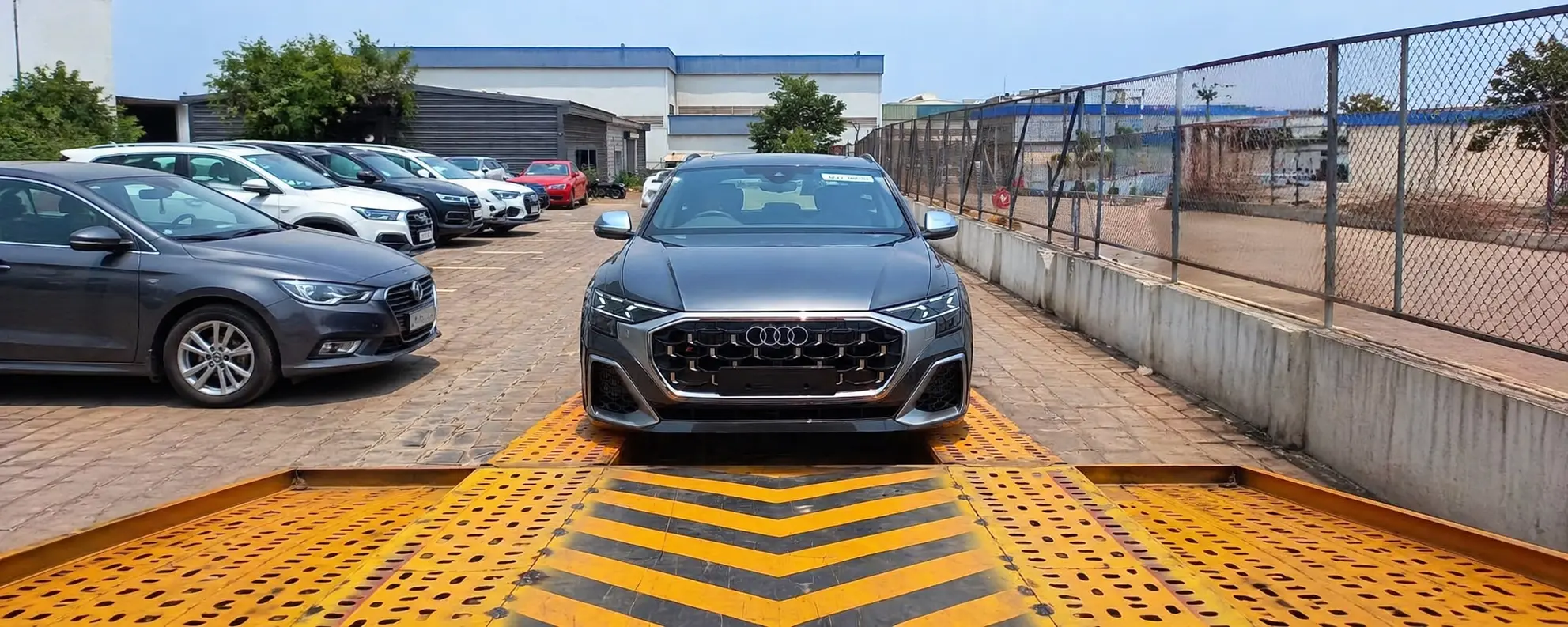
A Mumbai pickup is not always as simple as entering an address into a map. High-rise societies, basement parking, narrow internal lanes, security gates, one-way approaches, and busy roads can affect where a larger carrier can safely stop.
- Share the complete address and building name.
- Mention basement or podium parking.
- Tell the team about restricted gates or access timings.
- Confirm whether the vehicle can be brought to a suitable loading point.
02
Mumbai's Route Is Bigger Than Mumbai
Once the car leaves the city, the transport plan changes depending on where it is headed.
Mumbai has major road connections toward Pune and southern routes, Gujarat and the north, Nashik and central India, and Goa and the western/southern corridor. Mumbai Port Authority's road-connectivity information specifically identifies routes toward Delhi via NH-48, Nashik through the Eastern Express Highway/NH-3 and Samruddhi corridor, Pune through the Sion-Panvel/Mumbai-Pune route, and Goa through NH-66.
That makes route planning important when choosing how your car should be transported.
03
Mumbai's Monsoon Can Change the Pickup Equation
Mumbai's heavy-rain periods can disrupt road movement and create waterlogging in vulnerable areas. Recent 2026 reporting also documented disruptions to road and rail connectivity across Mumbai and the Mumbai-Pune corridor during periods of heavy rainfall.
If you're scheduling a car move during the monsoon, don't look only at the distance.
- Pickup-day weather conditions
- Local road accessibility
- Waterlogging-prone approaches
- Carrier access to your building
- Possible route disruptions